
Unlocking the Benefits of MBR Plants for Wastewater Treatment
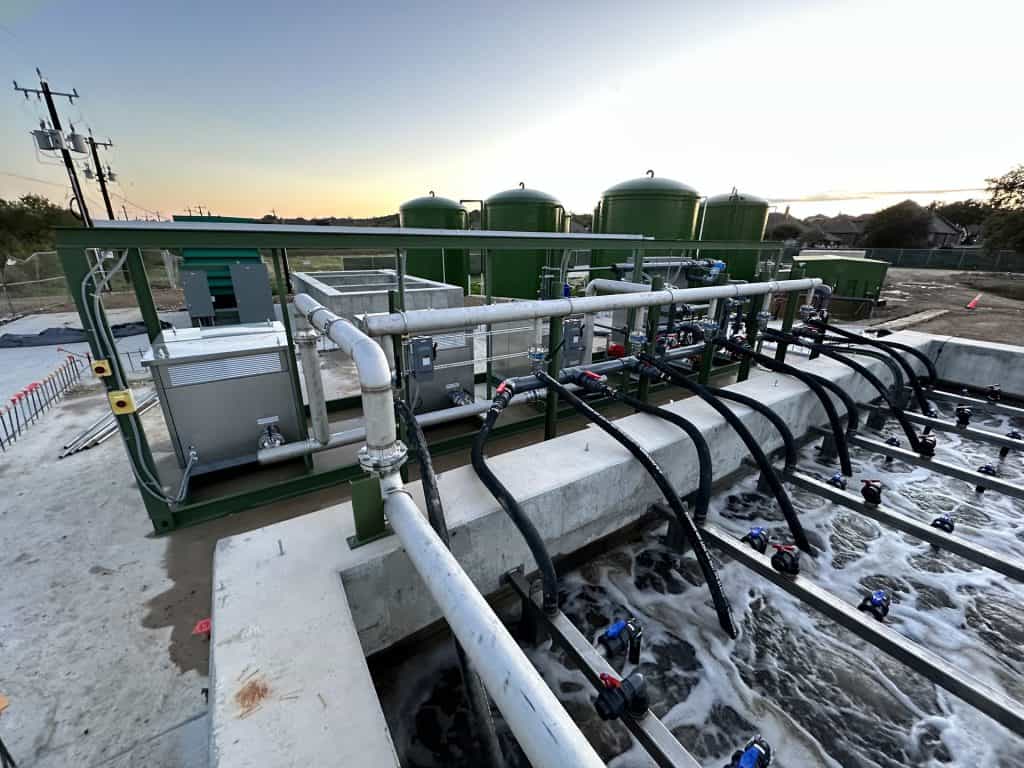
Unlocking the Benefits of MBR Plants for Wastewater Treatment
How MBR Plants Work: A Breakdown of the Process
Membrane Bioreactor (MBR) plants are at the forefront of modern wastewater treatment technology, offering a sophisticated approach to dealing with wastewater. The MBR process combines conventional biological treatment processes with membrane filtration, resulting in an efficient, compact, and effective solution. In essence, MBR plants integrate the activated sludge process with membrane filtration, allowing for the separation of solids and liquids to occur in a single step. This integration not only simplifies the process but also enhances the quality of the treated water.
At the heart of an MBR plant are the membranes themselves, typically either flat-sheet or hollow-fiber membranes. These membranes act as a physical barrier, filtering out bacteria, suspended solids, and other impurities from the treated water. The membranes have microscopic pores that allow water molecules to pass through while retaining larger particles. This filtration process ensures that the effluent is of exceptionally high quality, making it suitable for various reuse applications, including irrigation, industrial processes, and even potable water in some cases.
The biological component of MBR plants involves the use of microorganisms to break down organic matter in the wastewater. These microorganisms are maintained in a bioreactor, where they consume organic pollutants, converting them into less harmful substances. Because the membrane filtration process retains a high concentration of biomass within the reactor, MBR systems can operate at higher biomass concentrations compared to conventional treatment methods. This results in more efficient degradation of pollutants and a smaller overall footprint for the treatment facility.
Advantages of MBR Plants Over Conventional Treatment Methods
One of the most significant advantages of MBR plants is their ability to produce high-quality effluent that surpasses the standards achievable by conventional treatment methods. The combination of biological degradation and membrane filtration ensures that pathogens, suspended solids, and other contaminants are effectively removed from the wastewater. This high-quality effluent can be safely discharged into sensitive environments or reused for various applications, contributing to water conservation efforts and reducing the demand on freshwater resources.
Another key advantage of MBR plants is their compact footprint. Traditional wastewater treatment facilities require large settling tanks and additional space for secondary clarifiers. In contrast, MBR plants eliminate the need for these components by integrating the filtration process directly into the bioreactor. This results in a more compact design that can be particularly beneficial in urban areas where space is at a premium. Additionally, the reduced footprint translates to lower land acquisition costs and the potential for retrofitting existing facilities with MBR technology.
MBR plants also offer operational flexibility and reliability. The robust nature of the membrane filtration process means that MBR systems can handle fluctuations in influent quality and flow rates more effectively than conventional systems. This resilience makes MBR plants ideal for a wide range of applications, from municipal wastewater treatment to industrial effluent management. Furthermore, the modular design of many MBR systems allows for easy scalability, enabling facilities to expand their treatment capacity as demand grows without significant disruptions or redesigns.
Key Applications of MBR Technology in Wastewater Treatment
Municipal wastewater treatment is one of the primary applications of MBR technology. As urban populations grow and environmental regulations become stricter, municipalities are increasingly turning to MBR systems to meet their wastewater treatment needs. The high-quality effluent produced by MBR plants can be safely discharged into sensitive water bodies, helping to protect aquatic ecosystems and comply with stringent discharge standards. Additionally, the compact footprint of MBR plants makes them well-suited for urban environments where space is limited.
Industrial wastewater treatment is another critical application of MBR technology. Industries such as food and beverage processing, pharmaceuticals, and textiles generate wastewater that can contain high levels of organic pollutants, chemicals, and other contaminants. MBR systems are capable of treating these complex waste streams, providing a reliable and efficient solution for industrial effluent management. By producing high-quality effluent, MBR plants enable industries to comply with regulatory requirements and reduce their environmental impact.
Water reuse and recycling is an emerging application of MBR technology that holds great promise for addressing global water scarcity issues. The high-quality effluent produced by MBR plants can be used for a variety of non-potable applications, such as agricultural irrigation, landscape irrigation, and industrial processes. In some cases, MBR-treated water can even be further purified for potable use through advanced treatment processes such as reverse osmosis. By enabling the reuse of treated wastewater, MBR technology helps to conserve freshwater resources and promote sustainable water management practices.
Environmental Impact: How MBR Plants Contribute to Sustainability
MBR plants play a crucial role in promoting environmental sustainability by reducing the pollution load on natural water bodies. The high-quality effluent produced by MBR systems contains significantly lower levels of contaminants compared to conventional treatment methods. This means that when the treated water is discharged into rivers, lakes, or oceans, it has a minimal impact on the aquatic ecosystems. By protecting these ecosystems, MBR plants help to preserve biodiversity and maintain the health of natural habitats.
In addition to protecting aquatic ecosystems, MBR plants contribute to sustainability by promoting water reuse and recycling. As global water scarcity becomes an increasingly pressing issue, the ability to reuse treated wastewater is becoming more important than ever. By producing high-quality effluent that can be safely reused for various applications, MBR plants help to reduce the demand on freshwater resources. This not only conserves water but also reduces the energy and costs associated with extracting, treating, and distributing freshwater supplies.
MBR plants also have the potential to reduce greenhouse gas emissions associated with wastewater treatment. Traditional treatment methods often rely on energy-intensive processes and the use of chemicals to achieve the desired effluent quality. In contrast, MBR systems can achieve high levels of treatment efficiency with lower energy consumption and reduced chemical usage. Additionally, the compact footprint of MBR plants means that they require less construction material and land, further reducing their environmental impact. By minimizing energy consumption and resource use, MBR plants contribute to the overall reduction of greenhouse gas emissions.
Economic Benefits of Implementing MBR Systems
The implementation of MBR systems offers several economic benefits that make them an attractive option for wastewater treatment. One of the most significant economic advantages is the potential for cost savings associated with the high-quality effluent produced by MBR plants. By producing effluent that meets stringent discharge standards, MBR systems can help facilities avoid costly fines and penalties associated with non-compliance. Additionally, the ability to reuse treated wastewater for various applications can result in significant cost savings by reducing the need for freshwater supplies.
Another economic benefit of MBR systems is their operational efficiency. The integration of biological treatment and membrane filtration in a single unit simplifies the treatment process and reduces the need for multiple treatment stages. This streamlined process can result in lower operational and maintenance costs compared to conventional treatment methods. Additionally, the high biomass concentration maintained in MBR systems allows for more efficient degradation of pollutants, further enhancing the overall efficiency of the treatment process.
The modular and scalable design of many MBR systems also offers economic advantages. Facilities can start with a smaller treatment capacity and easily expand as demand grows, without the need for major redesigns or construction projects. This flexibility allows for better capital management and reduces the risk of over-investing in infrastructure that may not be fully utilized. Furthermore, the compact footprint of MBR plants can result in lower land acquisition costs and the potential for retrofitting existing facilities, providing additional economic benefits.
Challenges and Limitations of MBR Plants
While MBR plants offer numerous advantages, they are not without their challenges and limitations. One of the primary challenges associated with MBR systems is membrane fouling. Over time, the membranes can become clogged with particles, organic matter, and microbial growth, reducing their permeability and overall efficiency. To address this issue, regular maintenance and cleaning of the membranes are required, which can increase operational costs and downtime. Advances in membrane technology and the development of anti-fouling strategies continue to be areas of active research to mitigate this challenge.
Another limitation of MBR plants is the initial capital investment required for their implementation. The cost of purchasing and installing MBR systems can be higher compared to conventional treatment methods. However, it is important to consider the long-term economic benefits, such as reduced operational costs and the potential for water reuse, which can offset the initial investment. Additionally, as MBR technology continues to advance and become more widely adopted, the costs of implementation are expected to decrease.
Operational complexity is another challenge associated with MBR plants. The integration of biological treatment and membrane filtration requires careful monitoring and control to ensure optimal performance. Operators must have a thorough understanding of the system’s processes and be able to respond to changes in influent quality and flow rates. This may require additional training and expertise compared to conventional treatment methods. However, the development of advanced monitoring and control systems is helping to simplify the operation of MBR plants and improve their overall reliability.
Case Studies: Successful MBR Installations Worldwide
The success of MBR technology in wastewater treatment is demonstrated by numerous installations worldwide. One notable example is the Fukashiba MBR Plant in Japan, which is one of the largest MBR facilities in the world. The plant treats municipal wastewater from the city of Kashima and produces high-quality effluent that is discharged into the local river. The Fukashiba MBR Plant has been praised for its efficient operation, high treatment capacity, and ability to produce effluent that meets stringent environmental standards.
In Europe, the Himmerfjärden MBR Plant in Sweden is another successful example of MBR technology in action. This facility treats wastewater from the Stockholm region and produces effluent that is used for irrigation and industrial processes. The Himmerfjärden MBR Plant has been recognized for its innovative design, operational efficiency, and contribution to water reuse efforts in the region. By producing high-quality treated water, the plant helps to conserve freshwater resources and reduce the environmental impact of wastewater discharge.
In the United States, the Orange County Water District’s Groundwater Replenishment System (GWRS) in California is a pioneering example of MBR technology for potable water reuse. The GWRS uses MBR systems as part of a multi-stage treatment process to purify wastewater to drinking water standards. The treated water is then injected into the local groundwater basin, where it helps to recharge the aquifer and provides a reliable source of drinking water for the region. The GWRS is a testament to the potential of MBR technology to address water scarcity and promote sustainable water management practices.
Future Trends in MBR Technology and Wastewater Treatment
As MBR technology continues to evolve, several trends are shaping the future of wastewater treatment. One of the most significant trends is the development of advanced membrane materials and configurations. Researchers are exploring new materials that offer improved permeability, reduced fouling, and enhanced durability. Innovations such as nanomaterials, graphene-based membranes, and bio-inspired designs hold promise for further enhancing the performance and efficiency of MBR systems.
Another important trend is the integration of MBR technology with other advanced treatment processes to create hybrid systems. For example, combining MBR with advanced oxidation processes, such as ozonation or ultraviolet (UV) treatment, can further enhance the removal of emerging contaminants and micropollutants from wastewater. These hybrid systems have the potential to achieve higher levels of treatment and produce effluent of even higher quality, suitable for a wider range of reuse applications.
The adoption of digital technologies and automation is also playing a key role in the future of MBR technology. Advanced monitoring and control systems, powered by sensors, data analytics, and artificial intelligence, are enabling more precise and efficient operation of MBR plants. These technologies allow operators to optimize treatment processes, predict and prevent issues such as membrane fouling, and respond to changes in influent quality in real-time. The digitalization of MBR systems is expected to improve their overall reliability, reduce operational costs, and enhance their sustainability.
Conclusion: The Future of Wastewater Treatment with MBR Plants
Membrane Bioreactor (MBR) plants represent a significant advancement in wastewater treatment technology, offering a combination of efficiency, sustainability, and reliability that is unmatched by conventional methods. By integrating biological treatment with membrane filtration, MBR systems produce high-quality effluent that can be safely discharged or reused for various applications. The compact footprint, operational flexibility, and economic benefits of MBR plants make them an attractive option for municipalities, industries, and water reuse projects.
While challenges such as membrane fouling, initial capital investment, and operational complexity exist, ongoing advancements in membrane technology, hybrid treatment systems, and digitalization are addressing these issues and paving the way for the future of MBR technology. Successful installations worldwide demonstrate the potential of MBR plants to meet the growing demands for sustainable and efficient wastewater treatment.
As global water scarcity and environmental concerns continue to rise, MBR technology is poised to play a critical role in shaping the future of wastewater treatment. By unlocking the benefits of MBR plants, we can protect our water resources, reduce environmental impact, and promote a more sustainable and resilient future for generations to come.