
What Are Decentralized Wastewater Systems and How Do They Work?
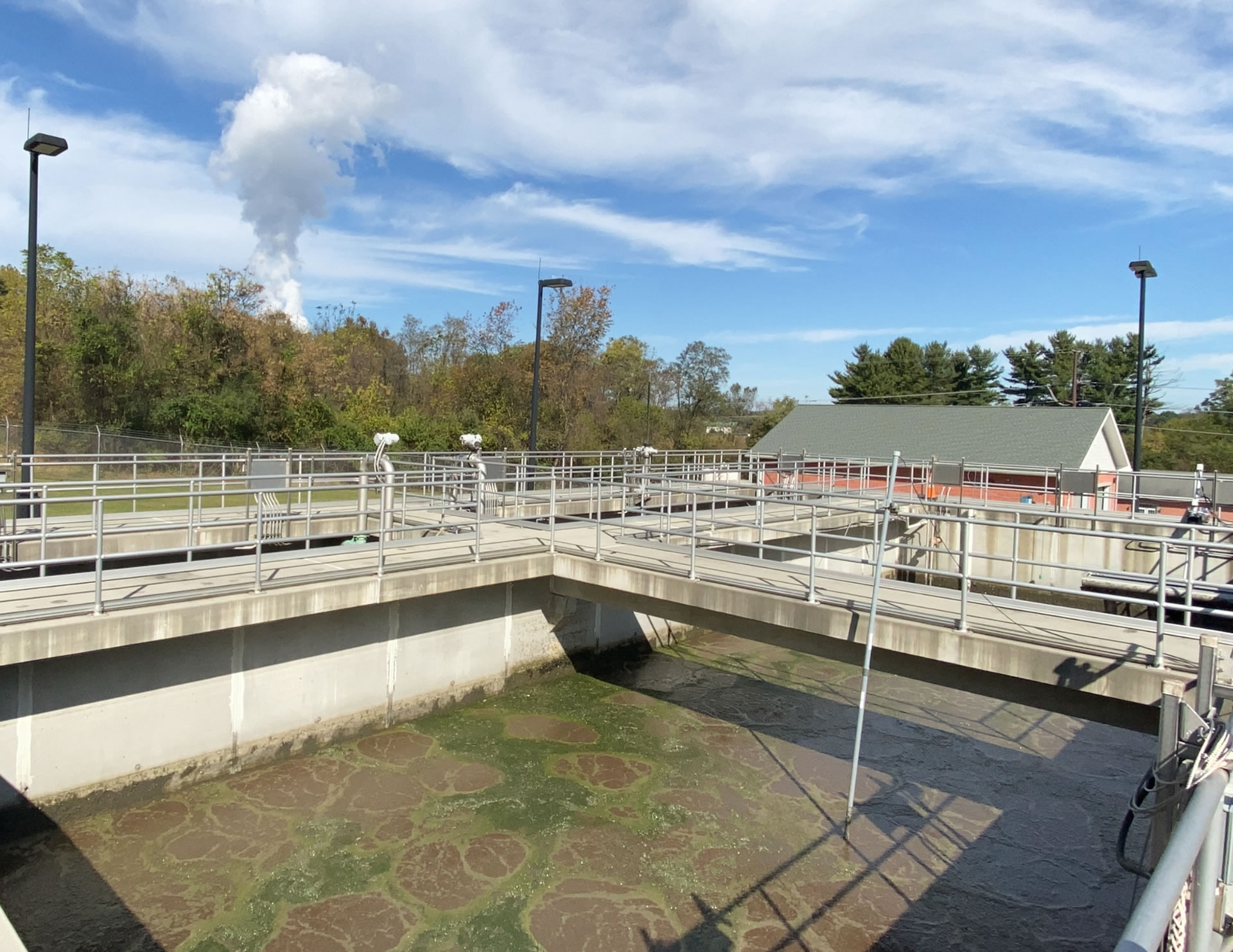
As communities grow and water resources become more constrained, traditional centralized wastewater infrastructure isn’t always the most practical or sustainable option. Decentralized wastewater systems offer an alternative approach—one that provides flexibility, scalability, and efficient treatment closer to where wastewater is generated.
These systems are increasingly used in housing developments, master-planned communities, and areas where centralized sewer connections are impractical, costly, or environmentally restrictive.
What Is a Decentralized Wastewater System?
A decentralized wastewater system treats wastewater near its source rather than transporting it long distances to a central treatment plant. Instead of relying on extensive sewer networks, treatment occurs on-site or within a localized cluster serving a specific development, neighborhood, or facility.
Decentralized systems can range in scale—from serving a single building or small residential cluster to supporting entire housing developments or mixed-use communities.
Unlike traditional septic systems, modern decentralized wastewater systems are engineered, monitored, and designed to meet regulatory discharge or reuse standards.
How Decentralized Wastewater Systems Work
While system designs vary based on site conditions and regulatory requirements, most decentralized wastewater systems follow a similar treatment process:
- Collection
Wastewater is collected from homes or buildings through localized piping systems rather than long-distance sewer lines. - Primary Treatment
Solids are separated from liquids through settling or screening processes, reducing the organic load before biological treatment. - Biological Treatment
Microorganisms break down organic matter and nutrients. This stage can use various treatment technologies depending on effluent quality goals. - Advanced Treatment and Filtration
Many decentralized systems incorporate advanced treatment processes—such as membrane filtration or tertiary treatment—to produce high-quality effluent suitable for discharge or reuse. - Discharge or Reuse
Treated water may be safely discharged to the environment or reused for non-potable applications such as irrigation, landscaping, or other approved uses.
Common Technologies Used in Decentralized Systems
Decentralized wastewater treatment is not a single technology but a framework that can incorporate multiple treatment approaches, including:
- Membrane Bioreactor (MBR) systems for high-quality effluent and compact footprints
- Packaged treatment plants designed for modular scalability
- Advanced biological treatment systems tailored to nutrient removal requirements
- Polishing and disinfection technologies to meet reuse or discharge standards
The selection of technology depends on factors such as site size, regulatory requirements, water reuse goals, and long-term operational considerations.
Benefits of Decentralized Wastewater Systems
Decentralized wastewater systems offer several advantages over centralized infrastructure, particularly for housing and residential developments:
- Scalability – Systems can be designed to expand as development phases progress
- Reduced Infrastructure Costs – Less reliance on long sewer lines and pumping stations
- Improved Resilience – Localized treatment reduces system-wide failure risks
- Faster Deployment – Shorter timelines compared to large centralized plants
- Support for Water Reuse – Enables on-site reuse for irrigation and community needs
These benefits make decentralized systems especially attractive in growing regions with water constraints or challenging terrain.
When Decentralized Wastewater Systems Make Sense
Decentralized wastewater systems are commonly used when:
- A centralized sewer connection is unavailable or cost-prohibitive
- Development is phased over time
- Environmental regulations limit long-distance infrastructure expansion
- Water reuse is a priority for sustainability goals
- Communities want localized control and operational flexibility
Housing developments, remote communities, and mixed-use projects often find decentralized systems to be a practical long-term solution.
Supporting Sustainable Residential Growth
As water management becomes a central component of sustainable development, decentralized wastewater systems provide a path forward. By treating and managing wastewater locally, communities can reduce environmental impact, conserve potable water resources, and build infrastructure that adapts to future growth.
When properly engineered and operated, decentralized systems deliver reliable performance while supporting modern sustainability and resilience objectives.